
202 W. Medical Center Blvd Webster, Webster, TX 77598, US
Tooth Extractions

Restore Oral Health with Tooth Extractions

Remove damaged or infected teeth with tooth extractions, helping relieve pain and protect your overall oral health and function.
Book an Appointment

What Is Tooth Extraction?

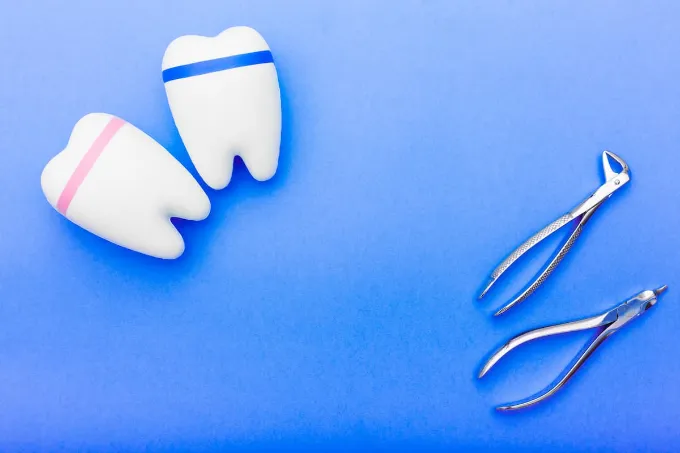
Tooth extraction is one of the most common procedures performed at a dentist’s office. When there is no saving a tooth, it must be removed or pulled from the mouth. This procedure falls under exodontia, the branch of dentistry that deals with the extraction of teeth.
When Are Tooth Extractions Necessary?

Tooth extraction is usually a last resort, but in some cases, it is the only solution. Our dentists at Clear Lake Dental may remove a tooth in any of the following cases.

Testimonials

What Patients Say

Preparing For Your Tooth Removal Procedure

When we are preparing for your tooth extraction, we will take the steps necessary to ensure that you feel no pain during the procedure. We will administer localized anesthesia to the area where the tooth is being extracted. At Clear Lake Dental Care, we do these types of procedures all the time, and our experience helps ensure there will be no problems with extracting your teeth.

If you have anxiety that is brought about by a previous dental procedure, we will take a number of steps to ensure that you are comfortable before we perform your procedure. If necessary, we can offer you dental sedation. Our concern is that you are at ease when the tooth extraction takes place since we know that these types of procedures can be nerve-racking, and we will do our best to calm your nerves.


https://book.dentistwebstertx.com/wp-content/uploads/2026/03/teeth-extractiion.webp

Experts In The Field

Webster, TX dentists Drs. Acevedo, Tajdin and Kaplan are committed to preserving your natural teeth without tooth extraction. However, there are cases when removing a tooth is the only way to bring back function and restore your smile. At Clear Lake Dental Care, we provide safe and comfortable tooth removal for adults, as well as children ages 12 and up.


How Is Tooth Extraction Surgery Performed?

When extracting a tooth there are two types of procedures, a simple or surgical extraction. During a simple extraction, one of our Clear Lake Dental Care dentists will use forceps to remove the tooth. This can only be performed in the case that the tooth is above the gumline. If the tooth is not above the gum line, we perform a surgical extraction. This is common for wisdom teeth and involves stitches and anesthesia. After your teeth are removed, our staff at Clear Lake Dental Care may place a bridge, implant, or dentures to replace the now missing teeth. In the case that patients suffer an injury or are in extreme pain, they can call for emergency dental work. Our staff would be happy to help you schedule an appointment for immediate tooth extraction.

How Long Does The Procedure Take?

For a basic tooth that is above the gum line, these are simple procedures taking just 20-40 minutes. If we are pulling multiple teeth, adding 5-10 minutes for each additional tooth is typical. This doesn’t apply to teeth that are still under the gumline, where an incision must be made in the gums to access the tooth. This is common for wisdom teeth. Those are more involved procedures and we can give you an idea of the expected duration during your consultation when Dr. Das, Dr. Pham, or Dr. Rivera can get a better feel for your situation.

How Long After My Extraction Can I Drive?

With extractions of normal teeth above the gumline, we typically only need to use a local anesthetic. This does not impact your ability to drive. If your situation is more involved and we need to use general anesthesia, you’ll have to have someone drive you home, as you cannot drive for 24 hours

How Do Your Gums Heal After Tooth Extraction?

The socket left in the gums after the tooth was removed goes through three stages as it heals. First, the area becomes inflamed. The gum becomes inflamed, a blood clot forms inside the socket and granulation tissue forms over the wound. New tissue usually replaces the clot within a week after the extraction. Following this process is the proliferative phase when the wound begins to close. The final stage is the maturation phase, where cells in the site form new connective tissue, called collagen, to fully heal the area.

Ready to Schedule Your Visit?

Get the healthy, confident smile you want with full-service dental care in a comfortable, caring office.